TL;DR — How to Recognize: Recognizing sleep apnea symptoms early can help prevent poor sleep, daytime fatigue, and other health concerns linked to interrupted breathing at night. Common warning signs include loud snoring, repeated nighttime awakenings, morning headaches, daytime tiredness, and waking up with a dry mouth or sore throat. Patients looking for answers often explore sleep care solutions, consult sleep apnea doctors, or speak with a sleep dentist to learn more about diagnosis and treatment options.
Sleep apnea is a common sleep-related breathing disorder that can affect sleep quality, energy levels, and overall health. Many people assume that snoring, restless sleep, or waking up tired is normal, but these may actually be important sleep apnea symptoms in Niles. When breathing repeatedly pauses during sleep, the body may not get consistent airflow, which can lead to fragmented sleep and reduced oxygen levels during the night.
Identifying symptoms early can help patients seek care before the condition begins to affect daily life more seriously. Early attention may support better sleep, better focus, and improved long-term wellness.
Previous Blog Reference: Early Signs Doctors May Notice
In many cases, dentists may notice early signs of airway-related sleep concerns during routine examinations. Readers who want additional background can explore our previous blog on the "Top 7 Sleep Apnea Symptoms in Niles That Dentists Spot". This resource offers more insight into how dental professionals may help identify warning signs that patients do not always notice on their own.
How to Recognize the Symptoms of Sleep Apnea
Frequent and loud snoring is often one of the earliest indicators of sleep apnea. Although occasional snoring can happen to many people, snoring that occurs regularly throughout the week may suggest that the airway is partially blocked during sleep. If the sound becomes louder over time or is consistently noticed by someone nearby, it may indicate that breathing is not flowing normally during the night. In such situations, consulting a sleep dentist in Austintown can help assess whether airway issues or sleep-related breathing conditions are affecting your ability to rest comfortably.
-
Pay Attention to Loud or Persistent Snoring
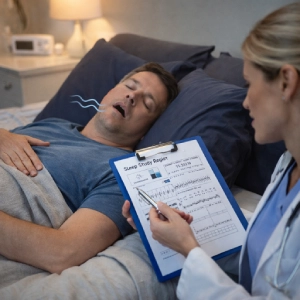
Loud and frequent snoring is one of the most commonly recognized signs of sleep apnea. While occasional snoring is not always a cause for concern, persistent snoring that happens most nights may suggest restricted airflow during sleep. If the snoring becomes more intense over time or is noticed regularly by a partner, it may be a sign that the airway is not staying open properly during the night.
-
Notice Frequent Nighttime Awakenings
People with sleep apnea may wake up multiple times during the night, even if they do not fully remember it the next morning. These interruptions can happen when the body briefly wakes itself to restart normal breathing. Restless sleep, tossing and turning, or sudden awakenings may all point to disrupted sleep patterns.
-
Watch for Morning Headaches
Waking up with frequent morning headaches may sometimes indicate disrupted breathing during sleep. When airflow is repeatedly interrupted at night, oxygen levels can temporarily decrease, which may lead to headaches or a heavy, sluggish feeling after waking up. If these symptoms occur regularly, it may be helpful to consult a sleep specialist who provides sleep care solutions in Hudson to evaluate whether a sleep-related breathing issue could be affecting your sleep quality and daily energy levels.
-
Check for Excessive Daytime Fatigue
Daytime tiredness is another common warning sign. Even after spending enough hours in bed, people with sleep apnea may still feel exhausted because their sleep is repeatedly interrupted. Ongoing fatigue, low energy, poor concentration, or daytime drowsiness may suggest that the body is not getting the restorative sleep it needs.
-
Pay Attention to Dry Mouth or Sore Throat in the Morning
Waking up with a dry mouth or sore throat may indicate mouth breathing during sleep, which can happen when the airway is partially blocked. Although this symptom may seem minor, repeated dryness or throat discomfort in the morning can be another clue that nighttime breathing is not normal.
Patients who notice these patterns often begin by learning more about available support, including sleep care solutions, evaluations from sleep apnea doctors in Girard, or guidance from a sleep dentist who understands airway-related dental concerns.
Conclusion:
Recognizing sleep apnea symptoms early can make a meaningful difference in sleep quality, daily energy, and overall health. Warning signs such as loud snoring, repeated nighttime awakenings, morning headaches, daytime fatigue, and dry mouth should not be ignored. Paying attention to these symptoms can help patients seek timely care and better understand what may be affecting their sleep.
If you or a loved one is experiencing these warning signs, a professional evaluation can help determine the cause and guide the right treatment approach. To learn more about sleep apnea symptoms or to schedule an appointment, call (330) 759-4550 today.