A Patient's Checklist for Sleep Apnea Symptoms: When to Get Help in Youngstown
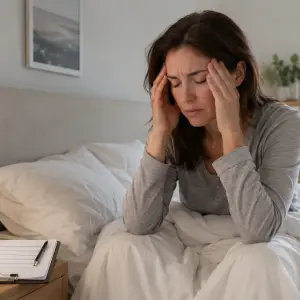
If you are searching for signs of sleep apnea in Youngstown, you are already doing an important thing: paying attention. Sleep apnea often shows up first as small patterns that are easy to dismiss, such as loud snoring, waking up tired, or a partner noticing breathing pauses.
In our previous blog, "Risks of Untreated Sleep Apnea," we discussed why it matters to address sleep apnea early. In this article, we focus on a practical symptom checklist and what to do next.
TL;DR - A Simple Checklist for Next Steps in Youngstown
Sleep apnea can be hard to spot because it happens while you sleep. Use this checklist to decide whether it is time to talk with your physician, pursue a sleep study, or explore dental options for airway support.
- Nighttime clues: loud snoring, gasping, choking, or witnessed pauses in breathing.
- Morning clues: headache, dry mouth, sore throat, or feeling unrefreshed.
- Daytime clues: fatigue, brain fog, irritability, or trouble focusing.
- Act sooner if symptoms affect safety (drowsy driving) or if a partner witnesses pauses.
- Next step: request testing (often at-home) and bring results to a sleep dentist for treatment options.
Your Sleep Apnea Symptom Checklist (Patient-Friendly)
This checklist is not a diagnosis. It is a way to organize what you are noticing so you can communicate clearly with a medical provider or a sleep clinic in your area.
Nighttime Signs (What Happens While You Are Asleep)
- Loud, frequent snoring (especially when it happens most nights).
- Breathing pauses witnessed by a partner, followed by snorts or gasps.
- Waking up choking or gasping, even if you fall back asleep quickly.
- Restless sleep with frequent awakenings or tossing and turning.
- Frequent nighttime bathroom trips (can be associated with disrupted sleep).
Morning Signs (How You Feel When You Wake Up)
- Morning headaches or head pressure.
- Dry mouth or sore throat.
- Feeling unrefreshed even after 7 to 9 hours in bed.
- Jaw soreness or facial fatigue (some people clench or grind when sleep is disrupted).
Daytime Signs (How Your Day Is Affected)
- Sleepiness during meetings, reading, or watching TV.
- Brain fog or trouble concentrating.
- Irritability, mood swings, or lower patience than usual.
- Drowsy driving or near-miss moments on the road.
Partner-Observed Warning Signs That Matter
Many patients do not notice their own symptoms until a partner points them out. If someone has told you any of the following, include it when you seek help:
- "You stop breathing for a few seconds, then start again."
- "Your snoring is getting worse over time."
- "You sound like you are struggling to breathe sometimes."
- "You fall asleep easily, but you never seem rested."
When to Get Help: A Clear "What to Do Next" Flow
Step 1: Bring the Checklist to Your Primary Care Physician
Start by sharing your symptoms, especially breathing pauses, gasping, and daytime sleepiness. Your physician can evaluate other contributors (such as nasal congestion or medications) and guide you toward testing.
Step 2: Ask About Testing (Including At-Home Options)
A sleep study is typically needed to confirm sleep apnea and determine severity. If you are searching for a sleep clinic in Youngstown, the key is to find testing that matches your health history and risk profile.
If you want to understand how results are interpreted, our related article can help you prepare: Understanding Your Sleep Study Results Near Youngstown.
Step 3: Review Treatment Paths (CPAP and CPAP Alternatives)
Treatment options vary based on severity and your anatomy. Some patients do well with CPAP. Others need alternatives they can realistically use every night.
Our team often hears a similar concern from patients: "I want something effective, but I know I will not stick with bulky equipment." That is a common turning point when people start asking about oral appliances and other CPAP alternatives. Learn more on our solution page: CPAP alternatives and customized oral airway options.
Step 4: Consider Dental Sleep Options If Appropriate
If you have obstructive sleep apnea or primary snoring, a custom oral appliance may be an option. This is a dental device worn at night that helps support an open airway in a comfortable, portable way for many patients.
For an overview of symptoms and treatment categories, visit our main page on sleep apnea overview and facts.
Local Note: Youngstown and Austintown Patients Often Ask the Same Question
Whether you live in Youngstown or commute from Austintown, the most important first step is identifying your pattern of symptoms and getting objective testing when indicated. From there, the right plan may include medical therapy, lifestyle changes, and for some patients, sleep apnea treatment in Austintown that includes a custom oral appliance.
Red Flags: When You Should Seek Help Promptly
If any of the following apply, do not wait to talk with a medical provider:
- You have witnessed breathing pauses plus significant daytime sleepiness.
- You feel unsafe driving due to fatigue.
- You wake up gasping or choking repeatedly.
- Your symptoms are worsening quickly or affecting work, mood, or relationships.
FAQs
Common signs include loud habitual snoring, choking or gasping during sleep, witnessed breathing pauses, waking with a dry mouth or headache, frequent nighttime awakenings, and daytime sleepiness or trouble concentrating.
Yes. Some people do not label themselves as sleepy but still have disrupted sleep. Mood changes, irritability, morning headaches, high blood pressure concerns, or partner-observed breathing pauses can still point to sleep apnea and justify testing.
Snoring is more concerning when it is loud and frequent, interrupts a partner's sleep, is paired with pauses in breathing, or comes with gasping, choking, or daytime symptoms like fatigue and brain fog.
A sleep study is typically needed to diagnose sleep apnea and assess severity. Many patients can start with at-home testing through their physician or a sleep medicine provider, depending on their health history and symptoms.
For many patients with obstructive sleep apnea or primary snoring, a dentist trained in dental sleep care can provide a custom oral appliance (a CPAP alternative) that helps keep the airway open during sleep. Your diagnosis and medical history guide whether this option is appropriate.
Related Reading
- Sleep Apnea - Overview & Facts
- The Easy Choice: CPAP Alternatives and Oral Airway Options
- Understanding Your Sleep Study Results Near Youngstown
- Contact Our Team
Conclusion: Use the Checklist, Then Get Real Answers
Sleep apnea is not something you should self-diagnose, but it is something you can absolutely screen for using patterns you (and your partner) notice. If this checklist sounds familiar, the next best step is to talk with a medical provider about testing, then review treatment options that you can actually stick with long-term.
If you would like to discuss dental options after you have symptoms or a diagnosis, call us at (330) 759-4550 to schedule a conversation about next steps.